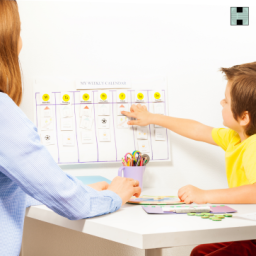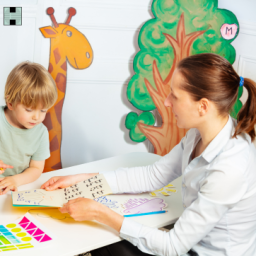

If you work as an ABA paraprofessional in a New Jersey school, chances are you collaborate closely with a Board Certified Behavior Analyst (BCBA). While BCBAs in NJ are often responsible for developing behavior plans and overseeing interventions, ABA paraprofessionals are the ones implementing those strategies day to day. Understanding how this relationship works and how to work effectively within it, can make your job smoother, more fulfilling, and far more impactful for students. In this blog, we’re going to dive into what ABA Paraprofessionals should know working with BCBAs in NJ schools.
 Understanding the BCBA and Paraprofessional Relationship
In NJ school settings, BCBAs typically serve as supervisors and behavior experts. They assess student needs, design behavior intervention plans, collect and analyze data, and adjust strategies based on progress. ABA paraprofessionals, on the other hand, are responsible for implementing those plans in real classroom environments. This means applying ABA strategies during instruction, transitions, social interactions, and challenging moments in often fast-paced, unpredictable settings. The relationship works best when it’s viewed as a partnership, not a hierarchy. Each role brings essential insight to the table.
Your Role in Supporting Behavior Plans
One of the most important things ABA paraprofessionals should know is that consistency matters more than perfection. BCBAs design plans based on patterns, but paraprofessionals are the ones seeing how those plans function in real life.
Your responsibilities often include:
- Following behavior intervention plans (BIP) as written
- Reinforcing positive behaviors consistently
- Using agreed-upon prompts and supports
- Tracking behavior informally or formally, depending on expectations
If something isn’t working, your observations are critical. You’re not expected to rewrite plans, but you are expected to notice what’s happening and document it.
Communicating Observations Effectively
Clear, professional communication is one of the most valuable skills an ABA paraprofessional can develop. This is because BCBAs in NJ rely heavily on paraprofessionals for real-time insight into student behavior.
Helpful communication includes:
- Sharing patterns, not assumptions
- Describing what you observe rather than why you think it’s happening
- Being specific about times, settings, and triggers
For example, saying “The student seems more escalated after unstructured transitions” is far more useful than “They don’t like transitions.” This kind of communication helps BCBAs adjust strategies effectively.
Respecting Scope and Professional Boundaries
ABA paraprofessionals sometimes feel pressure to “fix” behaviors on their own. While initiative is valuable, it’s important to stay within your professional scope.
This means:
- Not changing BIPs independently
- Not introducing new strategies without approval
- Asking questions instead of guessing
Being able to stay within scope protects students, protects you professionally, and strengthens trust with BCBAs.
Handling Challenges with Confidence
When working in a role where majority of your job is collaborating with others, disagreements or confusion can happen. It can especially happen when behavior plans feel difficult to implement in real classrooms. It’s important to remember that in a situation like this, you should approach conversations with curiosity rather than frustration, as it can make a big difference in outcomes.
It’s important to remember that it’s okay to ask:
- “Can you help me understand the goal of this strategy?”
- “Here’s what I’m seeing…does that align with the data?”
- “Is there flexibility for this setting?”
Approaching tough conversations with these questions show professionalism and a commitment to student success.
Building Mutual Respect
In order to build strong BCBA-paraprofessional relationships, it must be built on respect. BCBAs in NJ bring clinical expertise whereas ABA paraprofessionals bring lived classroom experience. When both are valued, students benefit. Paraprofessionals who are consistent, communicative, and open to feedback are often trusted more deeply over time. In turn, this ends up leading to better collaboration and clearer expectations.
Final Perspective
Working with BCBAs in NJ schools is a collaborative process rooted in shared goals: student growth, safety, and success. When ABA paraprofessionals understand their role, communicate clearly, and respect professional boundaries, the partnership becomes stronger. In result of the stronger partnership, the behavior support ends up becoming more effective. It’s important to remember that your work matters. You are not just implementing plans, you are shaping how those plans come to life.