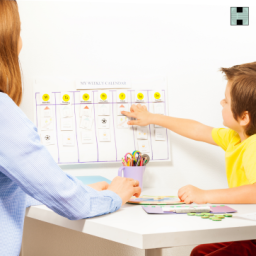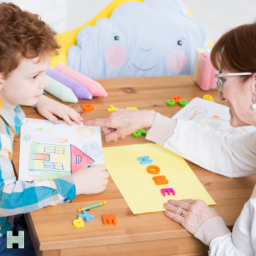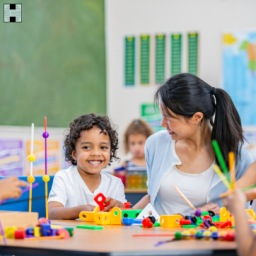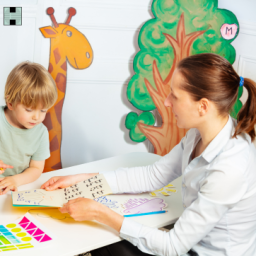

Working as an ABA paraprofessional in New Jersey schools is more than just a support role. Being an NJ ABA paraprofessional means being hands-on and building skills through experiences that shapes professionals in powerful and lasting ways. Every school day presents new challenges, opportunities, and learning moments that help ABA paraprofessionals grow both professionally and personally. While much of the work happens behind the scenes, the skills developed on the job are highly valuable across education, behavioral health, and human services. Whether you’re new to the field or building long-term experience, these are some of the most important skills every NJ ABA paraprofessional develops through daily classroom work.
Skills Every NJ ABA Paraprofessional Develops on the Job
Applied Behavior Analysis in Real-Time
One of the most foundational skills NJ ABA paraprofessionals develop is the ability to apply ABA principles in real situations. In classrooms, behavior doesn’t happen in controlled settings, it unfolds quickly and unpredictably.
NJ ABA paraprofessionals learn how to:
- Identify behavior patterns
- Implement behavior intervention strategies
- Reinforce positive behaviors consistently
- Respond calmly to challenging behaviors
This real time application strengthens your decision making skills and builds confidence in using evidence based strategies effectively.
Observation and Data Awareness
ABA paraprofessionals become highly observant professionals. They learn to notice subtle changes in student behavior, engagement, and emotional regulation, often before others do.
On the job, NJ ABA paraprofessionals develop the ability to:
- Track progress toward behavior goals
- Recognize triggers and early signs of escalation
- Understand how environmental changes affect behavior
These observation skills are essential for supporting behavior plans and communicating effectively with teachers, BCBAs, and support teams.
Emotional Regulation and Calm Under Pressure
Supporting students with behavioral needs requires emotional steadiness. Over time, NJ ABA paraprofessionals learn how to regulate their own responses, even during stressful or intense situations.
This includes:
- Maintaining a calm tone and body language
- De-escalating situations without power struggles
- Separating personal emotions from professional responses
These skills not only improve classroom outcomes but are valuable in any career that involves working closely with people.
Clear and Professional Communication
ABA paraprofessionals collaborate daily with teachers, school staff, BCBAs, and administrators. This constant interaction helps build strong communication skills.
You’ll learn how to:
- Share observations clearly and objectively
- Ask questions and seek clarification appropriately
- Follow behavior plans with consistency
- Communicate concerns respectfully
Strong communication ensures students receive consistent support and helps paraprofessionals become trusted members of the educational team.
Consistency and Follow-Through
ABA work depends heavily on consistency. You’ll quickly learn that small changes in approach can lead to big changes in student behavior.
On the job, ABA paras develop:
- Strong follow-through on behavior plans
- Awareness of how consistency supports progress
- Reliability in routines, expectations, and reinforcement
These habits build trust with students and colleagues and are highly valued in school environments.
Boundary-Setting and Professional Judgment
Working closely with students requires clear boundaries. ABA paraprofessionals learn how to balance empathy with professionalism, offering support without overstepping roles.
This includes:
- Understanding role responsibilities
- Maintaining appropriate student relationships
- Knowing when to seek guidance or escalate concerns
Boundary-setting protects both students and professionals and supports long-term success in the field.
Adaptability in Dynamic Environments
No two school days are the same. NJ ABA paraprofessionals learn to adapt quickly to changes in schedules, student needs, and classroom dynamics.
Adaptability shows up in:
- Adjusting strategies when something isn’t working
- Supporting different students across settings
- Remaining flexible without losing structure
This skill is especially valuable in fast-paced school environments and behavioral support roles.
Building Trusting Relationships with Students
Perhaps the most impactful skill ABA paraprofessionals develop is relationship building. Trust is the foundation of effective behavior support.
Through consistency, patience, and positive reinforcement, paraprofessionals learn how to:
- Build rapport with students
- Encourage engagement and participation
- Create safe, supportive learning spaces
These relationships often become the key to meaningful progress.
Final Thoughts
The skills developed as an NJ ABA paraprofessional extend far beyond the classroom. From emotional regulation and communication to adaptability and behavioral expertise, these professionals gain experience that prepares them for growth across education, ABA, and related fields. While the work can be challenging, it is also deeply rewarding. Each day builds skills that matter, not just for career advancement, but for making a real difference in students’ lives.