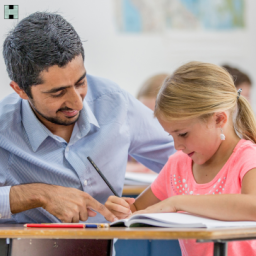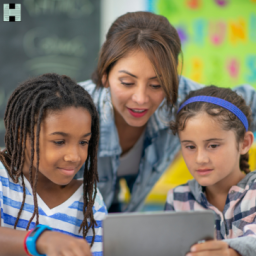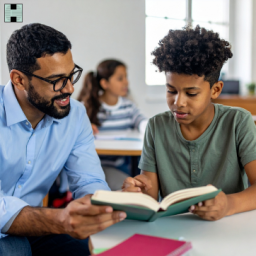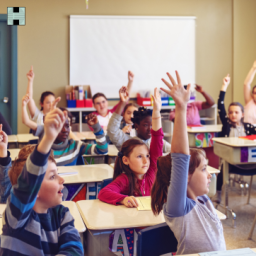

Classroom management is one of the most important paraprofessional skills to develop. In Pennsylvania schools, whether in general education, special education, or emotional support settings, paraprofessionals play a major role in maintaining structure, supporting teachers, and helping students thrive. Strong classroom management not only improves behavior but also creates an environment where students feel safe, respected, and ready to learn. In this blog, we’re going to give you the top classroom management tips for Pennsylvania paraprofessionals.
Top Classroom Management Tips for Pennsylvania Paraprofessionals
- Build Consistent Routines
Students depend on predictable routines to feel secure. Supporting teachers in establishing clear expectations, transitions, and daily procedures helps minimize confusion and off-task behavior. Even small routines such as lining up, turning in assignments, and moving between activities can help make a big difference, especially for ABA paraprofessionals working in special education classrooms.
- Use Clear, Calm Communication
Paraprofessionals often guide students through tasks or redirect behavior. Using calm, concise language prevents escalation and helps keep students focused. Tone matters just as much as the words themselves.
- Reinforce Positive Behavior
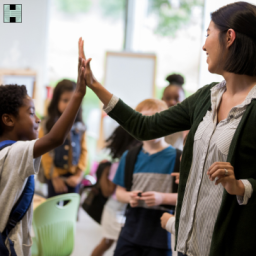
Positive reinforcement is far more effective than constant correction. Recognize when students follow expectations, even in small ways. Praise, tokens, stickers, or simple acknowledgments help build motivation.
- Keep Students Engaged
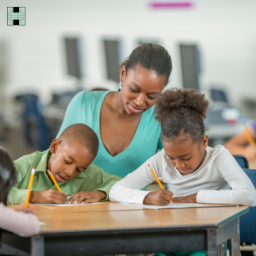
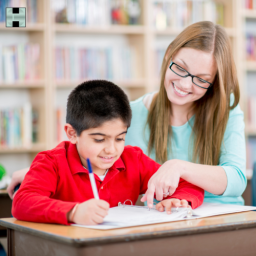
Off-task behavior often stems from boredom or confusion. Pennsylvania paraprofessionals can help by offering prompts, breaking tasks into smaller steps, or providing quick clarification. Staying engaged with students reduces disruptions and supports learning.
- Develop Strong Rapport
Students respond better to adults they trust. Taking time to connect creates the foundation for effective classroom management. Therefor you should make an effort to learn names, offer encouragement, and show patience.
- Support the Teacher’s Expectations
Consistency between teacher and paraprofessional is essential. When students see a unified team, they are more likely to follow routines and respect boundaries. Regular communication with the teacher strengthens this alignment.
- Stay Proactive, Not Reactive
Walking the room, anticipating issues, and providing support before behavior escalates are hallmarks of effective paraprofessionals. Preventive strategies often make the biggest difference.
Final Thoughts
Horizon Staffing Resources places paraprofessionals in Pennsylvania classrooms where their support, consistency, and leadership strengthen the learning environment. With strong classroom management skills, paraprofessionals help create classrooms where students can thrive academically and emotionally.